Understanding Cutting Methods Utilised in Automotive Metal Fabrication
Table Of Contents
Shearing Techniques
Shearing techniques play a pivotal role in automotive metal fabrication, focusing on cutting materials with precision and efficiency. This method involves the use of shear forces to separate metal sheets, providing clean edges without rough finishes. Mechanical units known as guillotines are commonly used, allowing for various thicknesses of sheets to be processed quickly and consistently. The ability to perform angled cuts and intricate shapes makes mechanical shearing an essential tool in the automotive industry.
In addition to standard shearing, advanced techniques such as laser cutting have emerged, enhancing productivity and accuracy. These methods allow for the integration of more complex designs and reduced material waste. Industries in automotive manufacturing rely on shearing techniques to maintain high-quality standards while meeting stringent production timelines. The adaptability and speed of these cutting processes make them integral to the fabrication of components such as chassis parts and body panels.
Understanding Mechanical Shearing
Mechanical shearing is a fundamental technique in the automotive metal fabrication process. It involves the use of sharp blades to cut through sheet metal with precision and speed. The shear machine applies pressure to the metal, causing it to separate along a designated line. This method excels in producing clean, straight cuts and is particularly effective for large volumes of material, making it a staple in automotive manufacturing settings.
The advantages of mechanical shearing extend beyond efficiency. This cutting process minimises material waste and can handle various thicknesses of sheet metal, providing versatility for manufacturers. Additionally, advancements in technology have led to automated shearing systems, which enhance consistency and accuracy in production. The reliability of mechanical shearing makes it a preferred choice for creating intricate shapes and components required in modern vehicles.
Band Saw Cutting
Band saw cutting is a widely employed method in automotive metal fabrication, known for its versatility and efficiency. This technique utilises a continuous band of toothed metal to slice through various types of materials, including steel and aluminium. The ability to achieve intricate cuts makes band saws particularly valuable for creating components that require precision. Operators can adjust the speed and feed rate to suit different materials, allowing for a more tailored approach based on the specific requirements of the project.
In automotive manufacturing, band saws play a crucial role in handling both large and complex shapes. They can perform straight cuts, curves, and even intricate profiles, making them applicable in several stages of production. The process generates minimal waste, which contributes to improved material utilisation. Additionally, modern band saws often come equipped with advanced features like automatic feed systems that enhance productivity by reducing the need for manual adjustments during cutting tasks.
Features and Use Cases in Automotive Manufacturing
Band saw cutting is a versatile method widely employed in automotive manufacturing, notable for its capability to handle a variety of metals with precision. This technique utilises a continuous band of metal with serrated teeth to make straight or curved cuts, catering to intricate design specifications. The ability to adjust the speed and feed rate allows for efficiency in cutting different thicknesses and materials, making it a preferred choice for cutting sheet metal and structural components in vehicle assemblies.
In automotive production, band saws find applications in several areas, such as slicing engine components, frame parts, and other intricate forms. They excel in both high-volume fabrication and smaller custom jobs, contributing to reduced waste and enhanced material utilisation. The adaptability of band saw cutting not only increases accuracy but also streamlines the manufacturing process, ensuring that the final products meet stringent quality and performance standards in the highly competitive automotive industry.
Oxy-Fuel Cutting
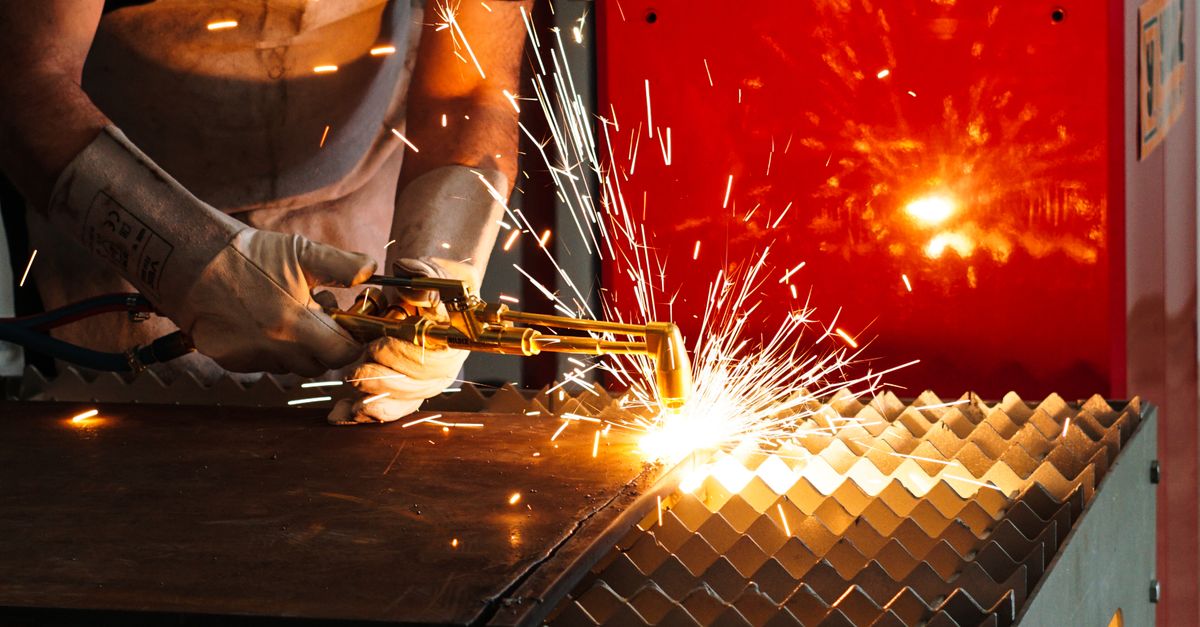
This method involves using a mixture of oxygen and fuel gas, typically acetylene, to cut through metal. The gas is ignited to create an intense flame that can reach temperatures exceeding 3,000 degrees Celsius. The high heat melts the metal, while a stream of pure oxygen is introduced to oxidise the molten material, effectively blowing it away. This method is suitable for various metals, including steel and iron, making it a popular choice in automotive fabrication.
Oxy-fuel cutting is particularly advantageous when working with thicker materials. It offers flexibility in cutting shapes and sizes, enabling operators to perform intricate designs. Additionally, the equipment required for oxy-fuel cutting is relatively portable, which allows for on-site work in automotive repairs and fabrication tasks. The technique is cost-effective and can be employed without the need for extensive training, making it accessible to a wide range of users in the industry.
How Oxy-Fuel Works in Metal Fabrication
This cutting technique relies on the exothermic reaction between oxygen and a fuel gas, typically acetylene, which generates intense heat. The process begins by preheating the metal surface, which is essential for achieving optimal cutting temperatures. Once the initial heating is accomplished, a stream of oxygen is directed onto the heated metal. The reaction ignites, causing a rapid oxidation that effectively melts the metal, allowing it to be blown away by the oxygen stream, resulting in a clean cut.
Oxy-fuel cutting is highly versatile and can be employed on various metals, including steel and iron. Its effectiveness lies in the ability to handle thick materials that may not be suitable for other cutting methods. This technique also comes with advantages, such as portability and lower operational costs, making it a preferred choice for on-site fabrication and repair work in the automotive sector. The capability to make intricate cuts and curves adds to its appeal, particularly when dealing with complex automotive fabrications.
FAQS
What are the main cutting methods used in automotive metal fabrication?
The primary cutting methods include shearing techniques, band saw cutting, and oxy-fuel cutting, each serving different purposes and materials in the automotive manufacturing process.
How does mechanical shearing work?
Mechanical shearing involves using sharp blades to cut through metal sheets by applying a shearing force, which separates the material without generating significant heat. This method is efficient for producing straight cuts in various metal thicknesses.
What are the advantages of using band saw cutting in automotive manufacturing?
Band saw cutting offers versatility and precision, allowing for curved or intricate cuts that other methods may struggle with. It is particularly useful for cutting larger materials and achieving smoother finishes.
Can you explain how oxy-fuel cutting operates?
Oxy-fuel cutting works by igniting a mixture of oxygen and fuel gas, producing a flame that heats the metal to its ignition point. Once the metal is hot enough, a stream of pure oxygen is directed onto the molten metal, effectively oxidising and removing it from the workpiece.
In what scenarios is oxy-fuel cutting preferred over other methods?
Oxy-fuel cutting is preferred for thicker materials and when dealing with heavy-duty metal fabrication tasks, as it can efficiently cut through a variety of metals, including steel, at substantial thicknesses.
Related Links
Key Machining Processes for Automotive Components in PerthAdvancements in Welding Technologies for Automotive Applications
Finishing Techniques that Enhance Automotive Metal Parts Durability
Effective Assembly Procedures for Automotive Metal Fabrication
CNC Machining's Impact on the Automotive Fabrication Process in Perth
Essential Considerations for Automotive Structural Steel Fabrication