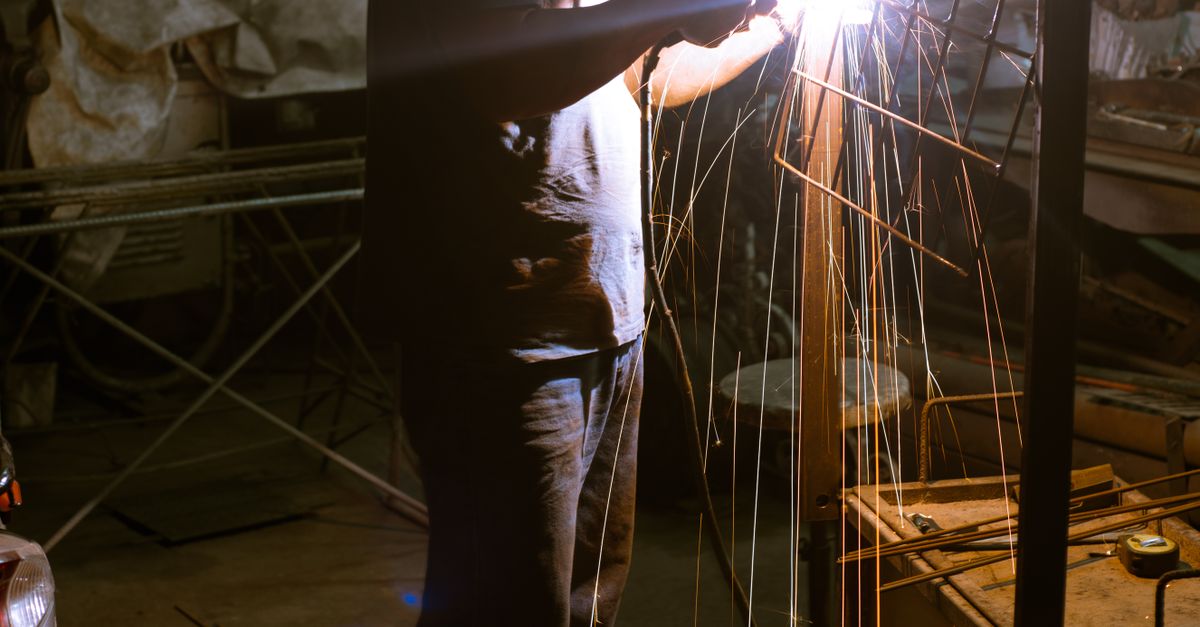
Finishing Techniques that Enhance Automotive Metal Parts Durability
Table Of Contents
Anodising for Aluminium Components
The anodising process creates a protective oxide layer on aluminium components. This treatment not only enhances corrosion resistance but also improves surface hardness. By increasing the thickness of the oxide layer through an electrochemical reaction, the material becomes more durable and better suited to withstand harsh environmental conditions often faced in automotive applications. Additionally, anodising allows for greater design versatility, as pigments can be incorporated into the anodised layer, leading to vibrant colour options that do not peel or fade.
In automotive applications, anodising plays a critical role in extending the lifespan of aluminium parts. The enhanced surface finish reduces friction and wear, which is essential in high-stress environments. Furthermore, the treatment can help in reducing weight without compromising strength, making it an ideal choice for modern vehicles that prioritise both performance and efficiency. By investing in anodised aluminium components, manufacturers can ensure greater reliability and longevity in their products.
How Anodising Improves Durability and Aesthetics
Anodising forms a protective oxide layer on aluminium components, which significantly enhances their durability. This layer acts as a barrier against corrosion and wear, extending the lifespan of the parts in harsh environments. The increased thickness of the oxide layer also provides improved hardness and resistance to abrasions, making anodised aluminium ideal for automotive applications. Furthermore, because the anodising process is electrolytic, it allows for the incorporation of colour dyes, adding an aesthetic appeal that meets consumer preferences.
The finishing process does not alter the base material’s properties but instead enhances its existing features. This makes anodising particularly valuable for parts that require both functional integrity and visual desirability. The smooth surface finish not only contributes to an appealing look but also simplifies cleaning and maintenance. Overall, anodised aluminium components can maintain their appearance while delivering superior performance in the demanding automotive sector.
Shot Peening to Increase Fatigue Resistance
A critical technique in enhancing the durability of automotive metal parts involves shot peening, which effectively mitigates the risk of fatigue failure. This process entails bombarding the surface of metal components with small spherical media, creating compressive stresses that significantly improve resistance to cracks and fatigue. By introducing these residual stresses, the material is better equipped to withstand cyclic loading conditions typical in automotive applications.
Implementing shot peening also leads to an increase in the overall lifespan of components by promoting a more uniform surface structure. This process not only improves fatigue resistance but can also enhance the surface finish of the treated parts. The controlled intensity of the shot peening process allows manufacturers to tailor the treatment to specific applications, ensuring optimal performance under the demanding conditions faced in automotive environments.
The Science Behind Shot Peening Techniques
Shot peening is a mechanical surface treatment that enhances the fatigue resistance of metal components, commonly used in automotive applications. This technique involves bombarding the surface of a part with small, hard media, typically spherical metal beads, which creates residual compressive stresses. These stresses can counteract the tensile stresses that occur during operation, significantly extending the life of the component under cyclic loading conditions.
The effectiveness of shot peening lies in its ability to improve the surface profile and induce microscopic deformations. These alterations lead to an increase in the fatigue limit of the material. As the shot impacts the part, it not only hardens the surface but also refines the microstructure of the material, leading to a more uniform distribution of stress. Variations in shot size, intensity, and coverage can be adjusted to meet specific performance requirements, allowing for tailored finishing solutions that enhance durability.
Chemical Treatments for Enhanced Performance
Various chemical treatments are widely used to improve the performance and longevity of automotive metal parts. One of the most common methods is phosphating, which involves creating a protective conversion coating on the surface of steel. This process significantly enhances corrosion resistance and provides an excellent base for subsequent paint or coating applications. Other treatments, like passivation, are employed to enhance the corrosion resistance of stainless steel components. These methods ensure that the metal remains resilient against environmental factors that could lead to deterioration.
Beyond corrosion inhibition, chemical finishes can also bolster the wear resistance of automotive components. For instance, the application of hard chrome plating or nickel fluoride coatings can provide a durable surface that withstands abrasion and harsh conditions. Additionally, certain chemical treatments can also be tailored to produce specific qualities, such as lubrication properties or improved adhesion for paints and other surface coatings. This versatility makes chemical treatments an essential aspect of enhancing the overall performance of automotive metal parts.
Understanding the Role of Chemical Finishes
Chemical finishes play an essential role in improving the longevity and functionality of automotive metal parts. Various chemical treatments, such as passivation, phosphating, and conversion coatings, work by creating a protective layer on the metal surface. These processes can enhance corrosion resistance, improve adhesion of subsequent coatings, and provide a base for further finishing processes. The selection of an appropriate chemical treatment directly impacts both performance and aesthetics, ensuring that components withstand environmental challenges and wear during their service life.
In addition to protection against corrosion, chemical finishes can influence the appearance of metal parts. Specific treatments can promote desired surface qualities like smoothness, texture, or even colour, which adds to the overall design of the vehicle. Manufacturers increasingly consider the visual aspects alongside functional durability when applying these chemical treatments. The advanced nature of these finishes also means that they can be tailored to meet specific requirements, providing versatility for different applications in the automotive industry.
FAQS
What is anodising and how does it benefit aluminium components in automotive applications?
Anodising is an electrochemical process that converts the surface of aluminium into a durable, corrosion-resistant finish. It enhances both the durability and aesthetics of aluminium components, making them more resilient to wear and environmental factors.
Can shot peening really increase the fatigue resistance of metal parts?
Yes, shot peening is a mechanical process where small spherical media is blasted onto the surface of metal parts. This induces compressive stresses, which significantly enhance the fatigue resistance and overall longevity of the components.
What types of chemical treatments can be applied to automotive metal parts?
There are various chemical treatments such as passivation, phosphating, and electroplating that can be applied to automotive metal parts. These treatments improve corrosion resistance, adhesion of paint or coatings, and overall performance of the materials.
How do chemical finishes contribute to the performance of metal components?
Chemical finishes provide a protective layer that prevents corrosion, enhances adhesion for paints and coatings, and can improve the wear resistance of metal components. They play a crucial role in extending the lifespan and maintaining the functionality of automotive parts.
Are these finishing techniques suitable for all types of automotive metal parts?
While many finishing techniques can be applied to various metal parts, the suitability depends on the specific material and intended application. It's essential to consult with a specialist to determine the best technique for each component.
Related Links
Effective Assembly Procedures for Automotive Metal FabricationInnovations in Automotive Metal Fabrication Techniques in Perth
Key Machining Processes for Automotive Components in Perth
Understanding Cutting Methods Utilised in Automotive Metal Fabrication
Advancements in Welding Technologies for Automotive Applications