The Role of Sheet Metal Work in Modern Architectural Designs
Table Of Contents
Sheet Metal Techniques and Processes
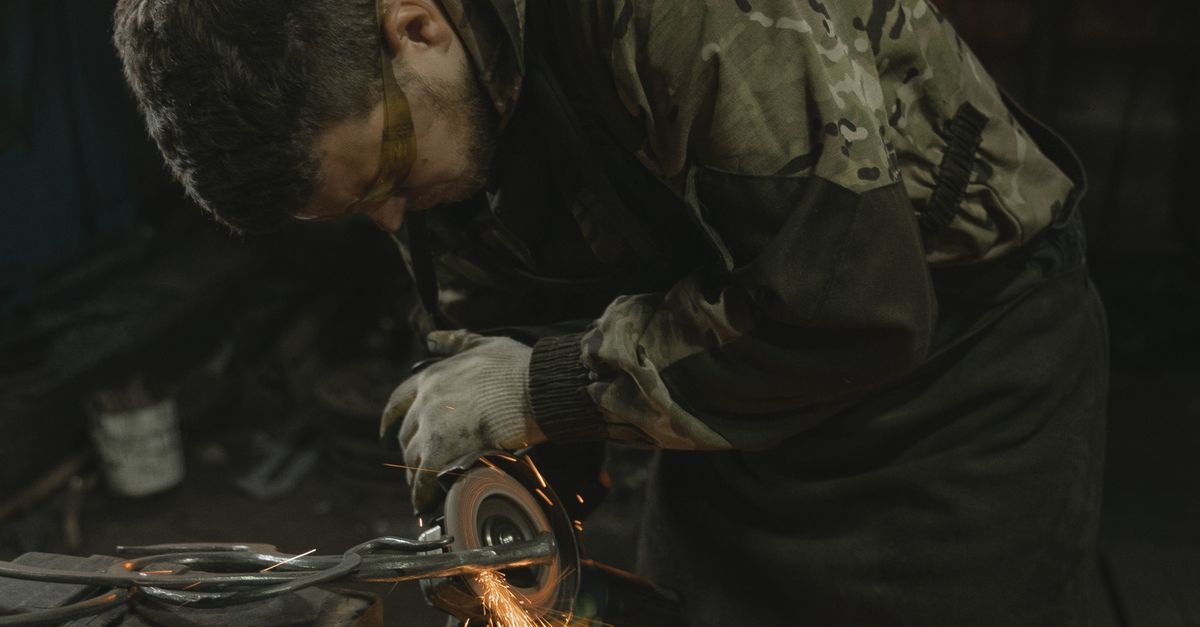
Various techniques are employed in sheet metal work to create complex architectural elements. Cutting methods, such as shearing or laser cutting, ensure precision in shaping metal sheets to meet design specifications. Bending processes utilise press brakes to manipulate the material into desired angles or curves, enabling the development of intricate shapes. Forming techniques, including stamping and rolling, allow for the creation of three-dimensional structures and features, expanding the possibilities within architectural design.
The choice of materials significantly influences the techniques used in sheet metal work. Aluminium and stainless steel are among the most common materials due to their durability and versatility. Each metal presents unique challenges and advantages in the fabrication process. Understanding these characteristics helps architects and builders select the most suitable materials for their projects. This attention to detail not only enhances aesthetic appeal but also contributes to the structural integrity of the designs.
Cutting, Bending, and Forming
The precision of cutting techniques such as laser cutting and waterjet cutting has revolutionised sheet metal work, allowing for intricate designs and sharp edges that were once challenging to achieve. These processes facilitate the transformation of flat sheets into various geometrical shapes, ensuring minimal material waste and maximum efficiency. Skilled fabricators rely on these methods to execute complex patterns that contribute significantly to the overall aesthetic and structural integrity of architectural projects.
Bending and forming processes further enhance the versatility of sheet metal. Techniques like press braking enable the creation of curves and angles, accommodating a range of design requirements. The ability to manipulate metal into three-dimensional forms opens up new possibilities in architectural features, allowing designers to integrate structural elements seamlessly with innovative designs. This adaptability supports contemporary architecture's emphasis on both form and function, ensuring that metal works harmoniously with other materials.
Integration of Technology in Sheet Metal Work
The incorporation of technology in sheet metal work has revolutionised the way architects and builders approach design and production. Computer-aided design (CAD) software allows for precise modelling and simulation of complex structures, enabling designers to visualise their concepts in three dimensions before any materials are cut or formed. This preemptive analysis helps to identify possible issues early in the design process, saving both time and resources during construction.
Advanced machinery has also played a pivotal role in enhancing efficiency and accuracy in sheet metal fabrication. Laser cutting and CNC (Computer Numerical Control) machines facilitate intricate designs that were once considered impractical. These innovations not only improve the quality of the finished product but also allow for greater flexibility in design, accommodating a wide range of architectural styles and requirements. As technology continues to evolve, the potential applications of sheet metal work in architecture will only expand.
Using CAD and Advanced Machinery
Computer-Aided Design (CAD) plays a pivotal role in modern sheet metal work, facilitating precision and efficiency in design processes. Designers can create intricate models, allowing for simulations that predict how materials will behave in real-world applications. The ability to easily modify designs in a virtual environment streamlines the workflow, reducing the likelihood of errors during production and minimising material waste.
Advanced machinery, such as CNC (Computer Numerical Control) machines, complements CAD by automating the fabrication process. These sophisticated tools can execute complex cutting, bending, and forming tasks with remarkable speed and accuracy. The integration of CAD with CNC technology enhances the consistency of results, ensuring that each component meets strict quality standards. This synergistic relationship between design software and automated machinery ultimately elevates the overall capability of sheet metal work in architectural projects.
Applications in Architectural Features
Architects increasingly rely on sheet metal to enhance the aesthetic and functional aspects of various architectural elements. Facades crafted from metal offer durability while providing a sleek, modern appearance that can transform a building’s exterior. These materials are resistant to weather conditions, making them ideal for varied climates and reducing maintenance needs over time. Creative applications include perforated panels that not only add visual interest but can also serve practical purposes, such as controlling light and airflow.
In addition to facades, sheet metal is widely used in roofing systems, where its strength and lightweight nature contribute to overall structural efficiency. Long-lasting performance makes it a preferred choice across residential and commercial projects. Interior applications also benefit from sheet metal work; features like decorative ceilings and custom cabinetry bring sophistication and originality to spaces. The versatility of this material allows architects to integrate it seamlessly into diverse design themes, reflecting contemporary trends while ensuring timeless appeal.
Facades, Roofs, and Interior Elements
Architects increasingly utilise sheet metal work for innovative facade designs that enhance both aesthetics and functionality. The versatility of materials such as aluminium and stainless steel allows for the creation of striking patterns and textures that respond to their environment. These facades can also serve practical purposes, including improved thermal performance and increased resistance to weather elements. The reflective quality of metals plays a significant role in urban settings, contributing to energy efficiency and light management.
In roofing applications, sheet metal offers durability and low maintenance, making it a preferred choice for modern construction. The lightweight nature of these materials reduces structural demands while still providing robust protection against the elements. Interior design also benefits from sheet metal, with various finishes and fabrication techniques enabling bespoke features such as cladding, decorative elements, and functional fixtures. This adaptability has made sheet metal a staple in contemporary spaces, merging form and function seamlessly.
FAQS
What are the primary techniques used in sheet metal work?
The primary techniques used in sheet metal work include cutting, bending, and forming, which allow for the creation of various shapes and designs essential in modern architecture.
How does technology influence sheet metal work?
Technology significantly influences sheet metal work through the use of CAD (Computer-Aided Design) and advanced machinery, which enhance precision, efficiency, and the ability to create complex designs.
What are the most common applications of sheet metal in architectural designs?
Common applications of sheet metal in architectural designs include facades, roofs, and interior elements, providing both aesthetic appeal and functional benefits such as durability and weather resistance.
Can sheet metal be customised for specific architectural projects?
Yes, sheet metal can be customised for specific architectural projects, allowing architects and designers to achieve unique styles and meet specific functional requirements.
What materials are typically used in sheet metal work?
Typical materials used in sheet metal work include stainless steel, aluminium, copper, and galvanised steel, each offering distinct advantages in terms of durability, weight, and corrosion resistance.
Related Links
Best Practices for Sheet Metal Handling and Fabrication in PerthPrecision Sheet Metal Work for Custom Fabrication Projects in Perth
Skilled Trades and Training Opportunities in Sheet Metal Work
Advanced Technology in Sheet Metal Fabrication: A Perth Perspective
Eco-Friendly Practices in Sheet Metal Work and Recycling Initiatives
Quality Control Measures in Perth's Sheet Metal Fabrication Industry
Cost-Effective Solutions in Sheet Metal Fabrication for Small Businesses
Understanding the Importance of Material Selection in Sheet Metal Work