Skilled Trades and Training Opportunities in Sheet Metal Work
Table Of Contents
Safety Standards and Regulations
Adhering to safety standards is crucial in sheet metal work. The industry is governed by regulations that are designed to protect workers from potential hazards such as sharp edges, heavy materials, and fumes from welding processes. Training programs often cover these regulations to ensure that both novices and seasoned professionals understand the necessary precautions. Familiarity with the appropriate personal protective equipment (PPE) is essential for maintaining a safe working environment.
Compliance with these standards not only safeguards workers but also enhances overall productivity. A well-implemented safety protocol can reduce the likelihood of accidents and injuries on the job site. Companies that prioritise adherence to regulations often benefit from improved employee morale, as workers feel valued and secure in their roles. Regular safety audits and training refreshers contribute to fostering a culture of safety within the workplace, which is fundamental in the dynamic field of sheet metal work.
Importance of Compliance in Sheet Metal Work
Adhering to safety standards and regulations is crucial in sheet metal work. This industry involves the use of heavy machinery, sharp tools, and various materials that can pose health risks. Compliance ensures that workers are protected from potential hazards, minimising the likelihood of accidents and injuries on the job. Moreover, following established guidelines fosters a culture of safety among professionals, which can enhance overall productivity by reducing downtime caused by injuries and accidents.
In addition to safeguarding individuals, compliance with industry regulations is beneficial for businesses. It builds credibility and trust with clients and stakeholders who expect high standards of workmanship and reliability. Meeting these standards also helps in avoiding legal complications that can arise from non-compliance. Companies that prioritise adherence to safety protocols often experience increased customer satisfaction and loyalty, which ultimately contributes to their long-term success in a competitive market.
Tools and Equipment Used in Sheet Metal Work
Sheet metal work involves a variety of tools designed to cut, shape, and join metal sheets efficiently. Essential hand tools include snips for cutting, hammers for shaping, and files for smoothing edges. Power tools, such as shears and plasma cutters, greatly enhance precision and reduce manual effort during fabrication. Additionally, welding equipment, like MIG or TIG machines, is crucial for joining metal components securely.
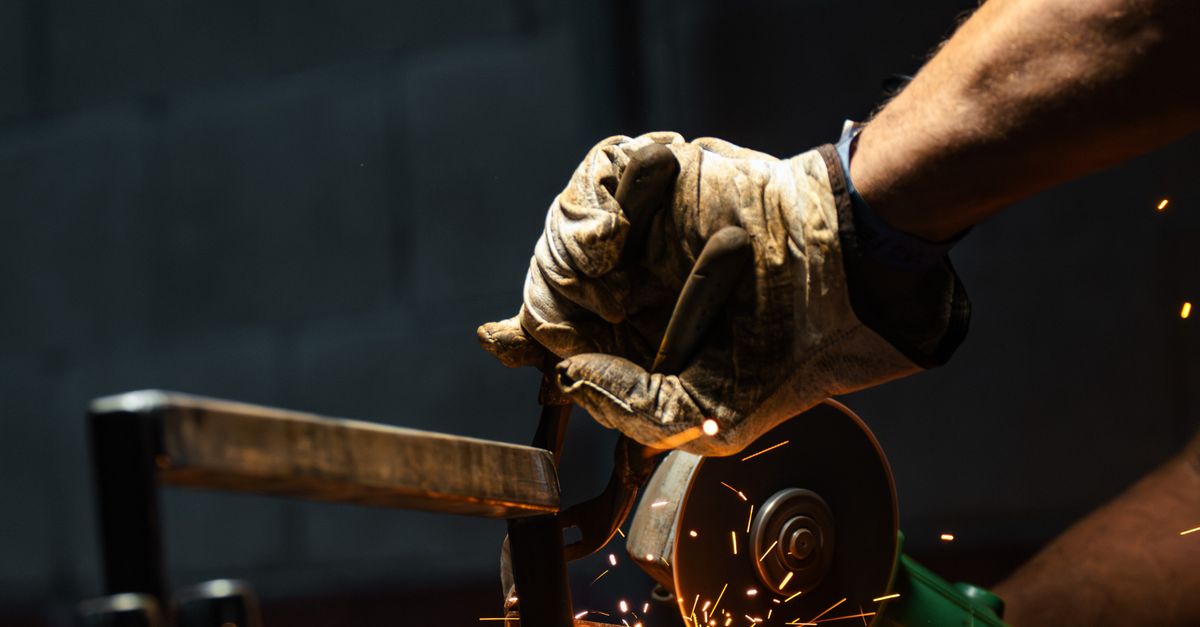
Investing in quality equipment is vital for both safety and productivity in the trade. Protective gear, including gloves, safety glasses, and respiratory masks, should always be worn to minimise hazards. Furthermore, equipment like workbenches and vices not only provide stability but also ensure accuracy during metalworking processes. Proper maintenance of tools extends their lifespan and optimises performance, making it essential for both novices and seasoned professionals.
Essential Tools for Beginners and Professionals
Having the right tools is crucial for both beginners and professionals in sheet metal work. Essential tools include shears, which are used for cutting metal sheets, and metal brakes that assist in bending materials to desired shapes. A reliable measuring tape ensures accuracy in dimensions, while a marker or scribe allows for precise marking on metal surfaces. Safety equipment, such as gloves and safety glasses, should not be overlooked to protect users from sharp edges and flying debris.
Professionals often rely on more advanced tools to enhance efficiency and precision in their work. A CNC plasma cutter offers automated cutting capabilities, enabling intricate designs and reducing manual labour. Other important tools include riveters for fastening components together and welding machines for joining metal parts securely. As tradespeople advance in their skills, investing in high-quality tools can greatly improve the quality of their work and expand their capabilities within the industry.
Specialisations within Sheet Metal Work
The field of sheet metal work encompasses various specialisations, each with its unique focus and techniques. Fabrication is one of the primary areas, involving the design and manipulation of sheet metal into specific shapes for various applications. This can include creating air ducts, roofing materials, and custom parts for machinery. Another key specialisation is installation, where skilled tradespeople fit and secure metal components in buildings and industrial settings, ensuring functionality and compliance with safety regulations.
Further specialisations arise in the realm of metal finishing and welding. Finishing often requires expertise in treating surfaces to enhance durability and aesthetics. Welders in the sheet metal sector focus on joining pieces together using various methods, including MIG and TIG welding. Each specialisation demands specific training and skill sets, making it essential for aspiring sheet metal workers to identify their interests and pursue targeted education opportunities.
Exploring Different Areas of Expertise
Sheet metal work encompasses a variety of specialisations, each requiring unique skills and knowledge. Fabrication involves cutting, shaping, and assembling sheets of metal into various products. This area often focuses on creating custom parts for industries such as automotive and aerospace. Installation, on the other hand, involves fitting sheet metal in buildings and structures, ensuring proper ventilation and ductwork for heating and cooling systems.
Another important specialisation is repair and maintenance. Technicians in this field handle issues related to existing structures, such as patching holes or replacing worn-out components. Additionally, decorative metalwork has gained popularity, where artisans create aesthetically pleasing items like sculptures, signage, and custom cabinetry. Each specialisation not only demands technical expertise but also an understanding of the specific requirements and standards that govern the various applications of sheet metal.
FAQS
What qualifications do I need to start a career in sheet metal work?
To start a career in sheet metal work, typically you will need to complete a Certificate III in Engineering - Fabrication Trade, which includes both practical training and theoretical knowledge. Many employers also value apprenticeships, which provide hands-on experience.
Are there specific safety standards I need to follow in sheet metal work?
Yes, there are various safety standards and regulations that must be adhered to in sheet metal work. These include safe handling of tools and materials, proper use of personal protective equipment (PPE), and compliance with workplace health and safety regulations.
What tools are essential for beginners in sheet metal work?
Beginners in sheet metal work should have essential tools such as tin snips, a metal file, a hammer, a measuring tape, a square, and a welding machine. As skills develop, additional tools like plasma cutters and break machines may be needed.
What specialisations are available within sheet metal work?
Within sheet metal work, there are various specialisations you can pursue, including HVAC (heating, ventilation, and air conditioning), roofing, fabrication of metal products, and custom sheet metal design. Each area requires specific skills and knowledge.
Where can I find training opportunities for sheet metal work?
Training opportunities for sheet metal work can be found at vocational education and training (VET) institutions, trade schools, and through apprenticeships with employers in the industry. Many organisations also offer online courses and workshops to enhance skills.
Related Links
Advanced Technology in Sheet Metal Fabrication: A Perth PerspectivePrecision Sheet Metal Work for Custom Fabrication Projects in Perth
Eco-Friendly Practices in Sheet Metal Work and Recycling Initiatives
Quality Control Measures in Perth's Sheet Metal Fabrication Industry
Cost-Effective Solutions in Sheet Metal Fabrication for Small Businesses