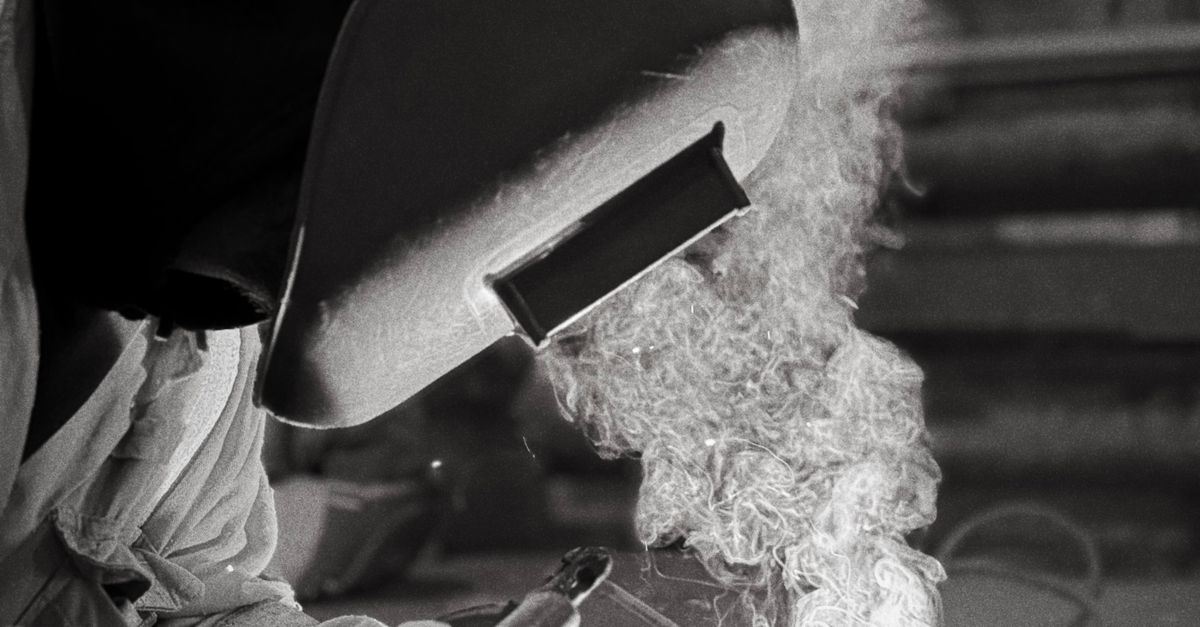
The Role of Oxy-Fuel Cutting in Heavy Industry
Table Of Contents
Comparing Oxy-Fuel Cutting with Other Methods
Oxy-fuel cutting stands out in the realm of industrial cutting techniques due to its versatility and efficiency. This method excels in handling thick materials, allowing for precise cuts in steel and other ferrous components. The simplicity of the equipment offers operators a degree of flexibility that many alternative methods, such as plasma cutting, may lack. While plasma cutting is admired for its speed and ability to cut complex shapes, it often struggles with thicker materials that oxy-fuel cutting can manage without difficulty.
However, oxy-fuel cutting does have its drawbacks when compared to other approaches. The process can be slower than methods like laser cutting, which can deliver higher precision and cleaner edges. Laser cutting is often preferred when dealing with thinner materials that require intricate designs. Furthermore, the heat generated during the oxy-fuel process can lead to material distortion, a concern that is less prominent in precision cutting techniques. Each method has its unique advantages and limitations, making it essential for industries to assess their specific needs when selecting a cutting procedure.
Strengths and Weaknesses
Oxy-fuel cutting presents several advantages that make it a preferred method in various heavy industry applications. It excels in cutting thick metals with precision while providing a high degree of mobility, allowing operators to work with greater flexibility on-site. The equipment is generally less expensive than some alternatives, making it accessible for smaller operations. Additionally, oxy-fuel cutting can be performed outdoors, which is particularly beneficial for tasks that require cutting in less-than-ideal conditions.
However, this method is not without its limitations. The process can be slower compared to plasma cutting or laser cutting when dealing with thinner materials. There exists a potential for distortion in the metal due to the heat generated, which may require further processing. Furthermore, the need for proper ventilation and the risk of fire hazards associated with using an open flame can pose safety concerns. Balancing the pros and cons is essential for industries to determine the most appropriate cutting method for their specific projects.
Environmental Impact
Oxy-fuel cutting, while efficient and effective, carries certain environmental considerations. The combustion process generates carbon dioxide and other emissions, raising concerns about air quality. The use of oxygen and fuel must be carefully managed to minimise hazards and reduce the release of harmful pollutants. Inadequate control of these emissions can contribute to broader environmental issues, including climate change and health risks for workers and nearby communities.
In response to its environmental impact, the industry is increasingly adopting sustainable practices. This includes using alternative fuels to reduce greenhouse gas emissions and implementing better filtration systems to capture pollutants. Technological advancements are allowing for cleaner operations through optimised processes that improve efficiency and waste management. These efforts are essential for reducing the environmental footprint of oxy-fuel cutting while maintaining its critical role in heavy industry.
Sustainable Practices in Oxy-Fuel Cutting
Implementing sustainable practices in oxy-fuel cutting can significantly reduce the environmental impact of this process. Utilising advanced technologies boosts efficiency and reduces emissions produced during cutting operations. Employing modern equipment that optimises gas consumption, for example, can lead to less waste and decreased operational costs. This approach not only benefits the environment but also enhances the economic sustainability of businesses relying on heavy industry.
In addition to technological advancements, proper training for operators plays a crucial role in promoting sustainable practices. Skilled operators can maximise the performance of oxy-fuel cutting systems while minimising the negative environmental effects associated with inefficient practices. Regular training sessions focusing on best practices are essential. Incorporating eco-friendly techniques into training programs fosters a culture of sustainability within the workforce.
Training and Skills Development
The effectiveness of oxy-fuel cutting heavily depends on the proficiency of the operators. Proper training ensures that workers fully understand the technical aspects of the equipment and the safety protocols essential for operating it. A well-structured training programme covers various aspects, including equipment handling, maintenance, and emergency procedures. This investment in education not only boosts productivity but also minimises the risk of accidents on site.
Continual skills development plays a crucial role in adapting to innovations in cutting technology. Industries increasingly require workers who can navigate new machinery and techniques, which can lead to higher efficiency and output quality. On-the-job training, workshops, and certification courses help operators stay updated. Establishing partnerships with vocational institutions can bridge the skills gap in the workforce, ensuring that companies maintain a competitive edge.
Importance of Skilled Operators
Proficiency in oxy-fuel cutting requires a deep understanding of both the equipment and the materials being worked on. Skilled operators are essential for ensuring that the cutting process is efficient and precise. This expertise not only speeds up production but also reduces the risk of accidents, which can be detrimental to both workers and equipment. Operators should be familiar with flame control, optimal temperatures, and the characteristics of different metals to achieve the best results.
Moreover, the complexities involved in oxy-fuel cutting make it imperative for operators to undergo comprehensive training. They must be able to troubleshoot issues that may arise during the cutting process, which can include adjusting oxygen and acetylene flows or quickly responding to changes in material thickness. A well-trained operator contributes greatly to workplace safety, ensuring that techniques employed are not only effective but also adhere to regulatory standards. Investing in operator training can ultimately lead to better productivity and a reduction in operational costs.
FAQS
What is oxy-fuel cutting?
Oxy-fuel cutting is a process that uses a mixture of oxygen and fuel gas (such as acetylene) to cut through metals, primarily in heavy industry. The high-temperature flame produced allows for precise cutting of thick materials.
How does oxy-fuel cutting compare to other cutting methods?
Oxy-fuel cutting is often compared to methods like plasma cutting and laser cutting. While it is effective for thick materials and is generally more cost-effective, other methods may offer better precision and speed for thinner materials or specific applications.
What are the strengths and weaknesses of oxy-fuel cutting?
The strengths of oxy-fuel cutting include its versatility, cost-effectiveness, and ability to cut thick materials. However, its weaknesses include slower cutting speeds compared to other methods and potential limitations in cutting certain alloys.
What is the environmental impact of oxy-fuel cutting?
Oxy-fuel cutting can produce emissions and fumes that may be harmful to the environment. However, with proper ventilation and adherence to regulations, the negative environmental impact can be minimised.
Are there sustainable practices associated with oxy-fuel cutting?
Yes, sustainable practices in oxy-fuel cutting include using alternative fuel sources, implementing efficient cutting techniques to reduce material waste, and ensuring proper ventilation and emission controls to minimise environmental harm.
Why is training and skills development important for oxy-fuel cutting operators?
Skilled operators are crucial for ensuring safety, efficiency, and precision in oxy-fuel cutting. Proper training helps prevent accidents, improves the quality of cuts, and enhances overall productivity in heavy industrial settings.
What qualifications should an oxy-fuel cutting operator have?
An oxy-fuel cutting operator should typically have a background in welding or metal fabrication, along with specific training in oxy-fuel cutting techniques and safety protocols. Certifications may also be required, depending on the industry standards.
Related Links
Comparative Analysis of Cutting Methods in Metal WorkOverview of Plasma Cutting in Metal Fabrication
Safety Practices in Metal Cutting Processes
Troubleshooting Common Issues in Metal Cutting
Factors Influencing Cutting Speed in Fabrication
Environmental Impact of Different Metal Cutting Methods
Advances in CNC Cutting Technology for Custom Fabrication
Waterjet Cutting Techniques for Complex Shapes
Advantages of Laser Cutting for Precision Engineering