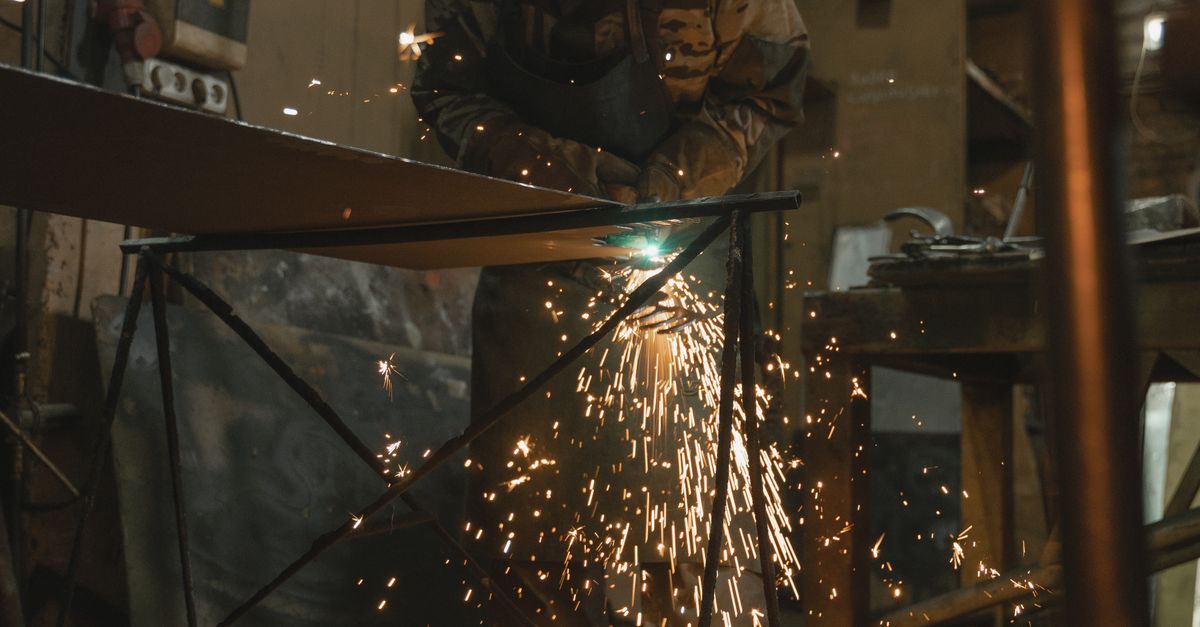
Overview of Plasma Cutting in Metal Fabrication
Table Of Contents
Equipment Used in Plasma Cutting
Plasma cutting systems consist of several key components that work together to achieve precise cuts. The plasma cutter itself generates a high-temperature arc of ionised gas. This gas, when focused through a nozzle, delivers enough energy to melt and remove material from a workpiece, facilitating accurate cutting. Additionally, a reliable air compressor is essential. It supplies the necessary pressure for the plasma arc, ensuring the process remains efficient and effective.
Another critical piece of equipment is the plasma cutting torch. This handheld device enables the operator to manoeuvre the cutting path with ease, offering a high level of control over the cut's shape and depth. Power sources for these systems vary, ranging from single-phase units suitable for smaller jobs to three-phase systems designed for industrial applications. Ensuring compatibility among these components is vital for achieving optimal performance in various metal fabrication tasks.
Essential Tools and Machinery
A plasma cutting setup typically comprises several key components that work in conjunction to achieve precise and efficient cuts. The plasma cutter itself is the heart of the operation, generating an intense arc that ionises the gas to create extreme heat. This tool can vary in size and power output, making it suitable for different materials and thicknesses. Additionally, a suitable air compressor is essential to supply the necessary gas, such as compressed air or argon, to assist in the cutting process. Other important machinery includes a table or workbench designed to adequately support the material being cut while allowing for safe and easy access.
Incorporating ancillary tools enhances the functionality of plasma cutting setups. A plasma cutting torch, often adjustable, enables operators to modify the depth and angle of cuts effectively. Cables for grounding and gas supply must be of high quality to prevent electrical interference and ensure a consistent gas flow. Furthermore, clamps or fixtures secure materials in place, promoting accuracy during the cutting process. Proper ventilation systems should also be considered, as they help dissipate harmful fumes generated while cutting, maintaining a safe workspace.
Safety Measures to Consider
Plasma cutting involves intense heat and potentially hazardous materials, making safety a top priority. Operators should ensure the work area is well-ventilated to prevent the accumulation of harmful gases. Additionally, it’s vital to keep flammable materials away from the cutting zone and to have fire extinguishing equipment readily accessible. Regular inspection of equipment for wear or damage can prevent accidents and ensure optimal functioning.
Wearing appropriate protective gear is essential for safeguarding against burns, eye injuries, and respiratory issues. This includes high-quality gloves, flame-resistant clothing, and suitable eye protection, such as a welding helmet with an appropriate shade. Operators must also be familiar with the emergency procedures in place at their facility. Training on proper equipment use further enhances safety by reducing the risks associated with improper handling or misuse.
Protective Gear and Best Practices
When engaging in plasma cutting, proper protective gear is essential. Operators should wear flame-resistant clothing to shield against sparks and heat. Heavy-duty gloves that provide dexterity while preventing burns or cuts are vital. Additionally, a full-face shield or welding helmet with appropriate filters will protect the eyes and face from harmful UV radiation and flying debris. It is also advisable to use steel-toed boots to safeguard feet from heavy equipment and molten metal.
Implementing best practices helps maintain a safe working environment. Keeping the workspace tidy reduces the risk of accidents and ensures that materials are easy to manage. Regular maintenance checks on equipment prevent malfunctions that could lead to safety hazards. Ensuring proper ventilation is crucial to avoid the accumulation of harmful fumes. Familiarity with the equipment and adherence to safety protocols further contribute to effective plasma cutting operations.
Preparing Materials for Plasma Cutting
Effective preparation of materials significantly influences the quality of plasma cutting. It begins with ensuring that the metal surface is clean and free from rust, paint, grease, or other contaminants. Use a wire brush, grinder, or chemical solvent to achieve this. Any residue may interfere with the cutting process, leading to poor cuts or excessive dross formation. Additionally, checking for the correct thickness of the material is crucial, as plasma cutting electrodes operate optimally within specified ranges.
Positioning the material correctly can enhance the efficiency of the process. Ensure that it is securely clamped down to prevent movement during cutting, which can result in inaccurate or jagged cuts. If dealing with thicker metals, preheating may be necessary to reduce the stress on the equipment. Maintaining a flexible yet stable working environment allows for adjustments as required. All these steps contribute to better operational efficiency and the overall success of plasma cutting projects.
Steps to Ensure Optimal Cutting Quality
Achieving optimal cutting quality requires careful preparation of both the equipment and the materials. Ensure that the plasma cutter is well-maintained and calibrated according to the manufacturer’s specifications. Regularly check the consumables, such as nozzles and electrodes, for wear and replace them as necessary. The type of shielding gas used also plays a significant role in the quality of the cut, with options like nitrogen or argon enhancing performance for specific materials.
Properly prepared materials contribute significantly to successful plasma cutting. Begin by cleaning the surface to remove any contaminants such as grease, paint or rust. Using a straight edge to create a guide line will help maintain precision throughout the cutting process. Additionally, selecting the correct thickness settings for the material ensures that the plasma cutter operates within its optimal range, reducing the risk of rough edges or excessive dross.
FAQS
What is plasma cutting and how does it work?
Plasma cutting is a process that uses a high-velocity jet of ionised gas, or plasma, to cut through electrically conductive materials. The process involves creating an arc between the plasma torch and the workpiece, which heats the material to its melting point and blows it away.
What types of materials can be cut using plasma cutting?
Plasma cutting is suitable for a variety of materials, including steel, aluminium, brass, copper, and stainless steel. It is particularly effective for cutting thick metal sheets.
What equipment is necessary for plasma cutting?
Essential equipment for plasma cutting includes a plasma cutter, air compressor, grounding clamp, and protective gear. Additional tools like a cutting table and various nozzles may also enhance the cutting process.
What safety measures should be taken when plasma cutting?
Safety measures include wearing appropriate protective gear such as gloves, goggles, and a face shield, ensuring proper ventilation, and keeping flammable materials away from the cutting area. It is also important to follow the manufacturer's guidelines for equipment use.
How can I ensure optimal cutting quality when using a plasma cutter?
To achieve optimal cutting quality, ensure that the materials are clean and free of contaminants, select the appropriate cutting speed and amperage, maintain the plasma torch properly, and use the correct nozzle type for the material thickness.
Related Links
The Role of Oxy-Fuel Cutting in Heavy IndustryAdvantages of Laser Cutting for Precision Engineering
Safety Practices in Metal Cutting Processes
Troubleshooting Common Issues in Metal Cutting
Factors Influencing Cutting Speed in Fabrication
Environmental Impact of Different Metal Cutting Methods
Advances in CNC Cutting Technology for Custom Fabrication
Waterjet Cutting Techniques for Complex Shapes
Comparative Analysis of Cutting Methods in Metal Work