The Role of Metal Fabrication in Modern Construction Techniques
Table Of Contents
The Impact of CAD Technology
The introduction of Computer-Aided Design (CAD) technology has transformed the metal fabrication industry. Designers can create intricate models with precision that was inconceivable using traditional methods. This capability streamlines the entire process from inception to execution. Complex geometries and assemblies can be visualised in three dimensions, allowing for more effective planning and modifications before physical fabrication begins. The integration of CAD with machining processes enhances collaboration among engineers and fabricators, resulting in improved communication and fewer errors during production.
Furthermore, CAD technology enables rapid prototyping and design iterations that significantly shorten project timelines. Fabricators are able to quickly adapt designs based on client feedback or emerging requirements. This adaptability not only maximises efficiency but also reduces material waste, contributing to cost savings. Additionally, the implementation of CAD enhances the documentation process, ensuring that all specifications are accurately recorded and easily accessible. By providing a comprehensive digital framework, CAD ensures that projects are executed with a higher degree of accuracy and reliability, reshaping the standards of metal fabrication.
Revolutionising Design and Accuracy in Metal Fabrication
Advancements in Computer-Aided Design (CAD) technology have significantly transformed the metal fabrication industry. These tools enable engineers and designers to create intricate patterns and detailed models with precision. As a result, the likelihood of errors during the fabrication process diminishes. Enhanced visualisation of designs leads to better decision-making and optimisation of materials. This level of accuracy not only streamlines the workflow but also reduces waste and improves overall project efficiency.
The integration of 3D modelling and simulation software further enhances the capabilities of metal fabrication. By allowing for virtual testing of components, potential design flaws can be identified and rectified before the physical production begins. This proactive approach saves time and costs associated with reworking errors. Additionally, automated fabrication processes derived from these designs improve consistency and quality across large-scale projects, making it easier to meet the high standards demanded in modern construction.
Safety Standards in Metal Fabrication
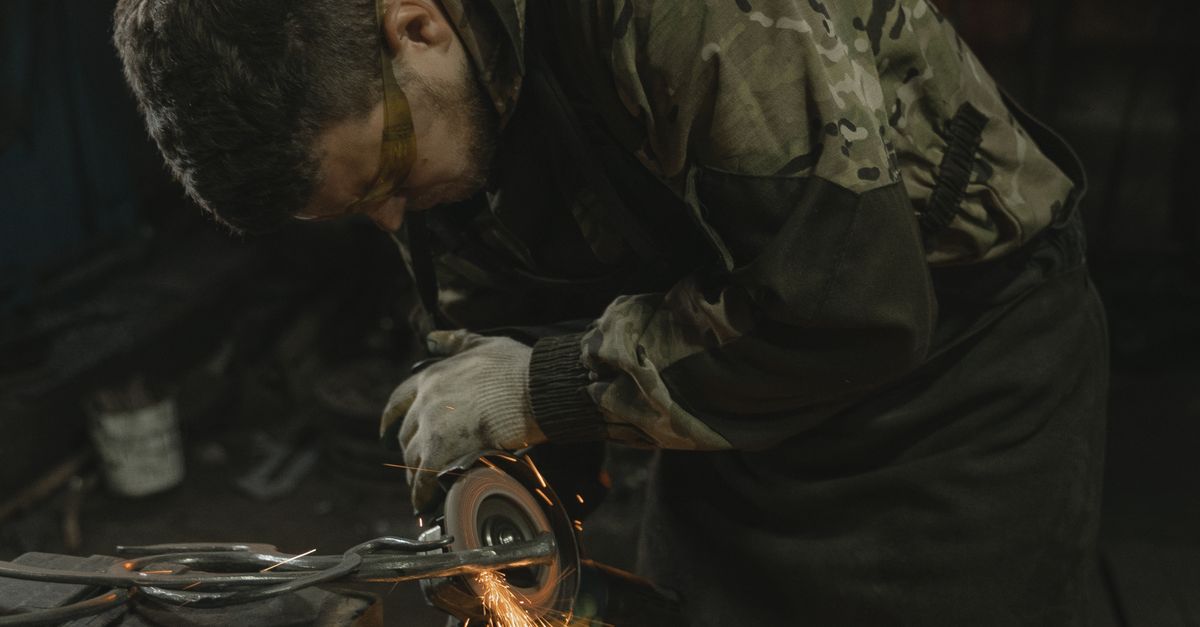
In the metal fabrication industry, safety standards are paramount to ensure the well-being of workers and the integrity of the fabrication process. Adherence to guidelines set by organisations such as Safe Work Australia helps minimise risks associated with working environments fraught with hazards. The implementation of PPE (Personal Protective Equipment) is essential, as it safeguards personnel from injuries related to sharp materials, heavy machinery, and harmful substances. Regular safety training sessions enhance workers' awareness, making them more conscious of potential dangers and how to mitigate them effectively.
The importance of proper equipment maintenance cannot be overstated in maintaining safety within metal fabrication facilities. Regular inspections and servicing reduce the likelihood of machinery failure, which could lead to dangerous situations for operators. Establishing a culture of safety among staff instils a sense of responsibility and encourages vigilance in observing safety protocols. Furthermore, environmental controls, such as proper ventilation and waste management systems, play a crucial role in creating a safer workplace, leading to enhanced productivity and reduced incident rates.
Ensuring Worker Safety in the Fabrication Process
Worker safety is a paramount concern in the metal fabrication industry. The sector employs various strategies to minimise hazards associated with machinery and sharp materials. Regular training sessions ensure that all personnel are educated about the latest safety protocols. Personal protective equipment (PPE) is essential, with items such as gloves, helmets, and safety goggles mandated to guard against workplace accidents.
Implementing a culture of safety is equally important. Encouragement of open communication enables workers to report potential risks without fear. Regular inspections of equipment help identify issues before they result in injuries. Safety audits further ensure compliance with established protocols, fostering an environment where prioritising worker well-being aligns with meeting productivity goals.
Sustainable Practices in Metal Fabrication
The metal fabrication industry is increasingly prioritising sustainability in response to growing environmental concerns. Manufacturers are adopting eco-friendly practices that minimise waste during the production process. Techniques such as recycling scrap metal and utilising renewable energy sources in fabrication facilities are becoming common. These efforts not only reduce the carbon footprint of production but also help conserve natural resources, aligning with global sustainability goals.
Additionally, advancements in technology have facilitated the development of more efficient metalworking processes. Techniques such as precision cutting and laser fabrication reduce material wastage and enhance resource utilisation. The integration of these methods not only supports environmental responsibility but also contributes to cost savings for businesses. Encouraging the use of sustainable materials in construction projects further strengthens the commitment to eco-conscious practices within the industry.
Eco-friendly Approaches to Metal Usage
The push for sustainability in metal fabrication has led to the adoption of eco-friendly materials and processes. Many manufacturers are now exploring recycled metals as a primary resource. Using recycled aluminium and steel can significantly reduce energy consumption and lower carbon emissions. These materials often require less processing, making them an attractive option for environmentally conscious builders and designers.
Innovative techniques such as selective laser melting and 3D printing are becoming prevalent in metal fabrication. These methods not only optimise material usage but also minimise waste. Advances in technology have enabled precision cutting and shaping, which requires less raw material without compromising structural integrity. Efforts to incorporate sustainable energy sources in manufacturing processes further contribute to reduced environmental impact.
FAQS
What is metal fabrication and why is it important in modern construction?
Metal fabrication involves constructing metal structures by cutting, bending, and assembling processes. It is essential in modern construction as it provides the necessary strength, durability, and versatility for various projects, from residential buildings to large infrastructure.
How has CAD technology impacted metal fabrication?
CAD (Computer-Aided Design) technology has revolutionised metal fabrication by enhancing design precision and accuracy. It allows for highly detailed 3D models that can be easily modified, leading to improved efficiency and reduced errors in the fabrication process.
What safety standards are essential in the metal fabrication industry?
Safety standards in metal fabrication include proper training for workers, adherence to regulatory guidelines, and the use of personal protective equipment (PPE). These measures are crucial to ensure a safe working environment and to minimise the risk of accidents and injuries.
How can metal fabrication practices be made more sustainable?
Sustainable practices in metal fabrication can include using recycled materials, optimising waste management, and implementing energy-efficient processes. Eco-friendly approaches such as minimising excess material and adopting green technologies also contribute to reducing the environmental impact.
What are the benefits of eco-friendly approaches to metal usage in construction?
Eco-friendly approaches to metal usage in construction offer numerous benefits, including reduced carbon emissions, lower energy consumption, and less waste production. Additionally, these practices can enhance a company's reputation and appeal to environmentally conscious clients.
Related Links
Sustainability in Metal Fabrication for Construction in PerthBenefits of Custom Metal Fabrication in Building Projects
Integrating Advanced Fabrication Methods in Perth Construction
The Impact of Metal Fabrication on Construction Project Timelines
Ensuring Compliance: Metal Fabrication Standards for Construction