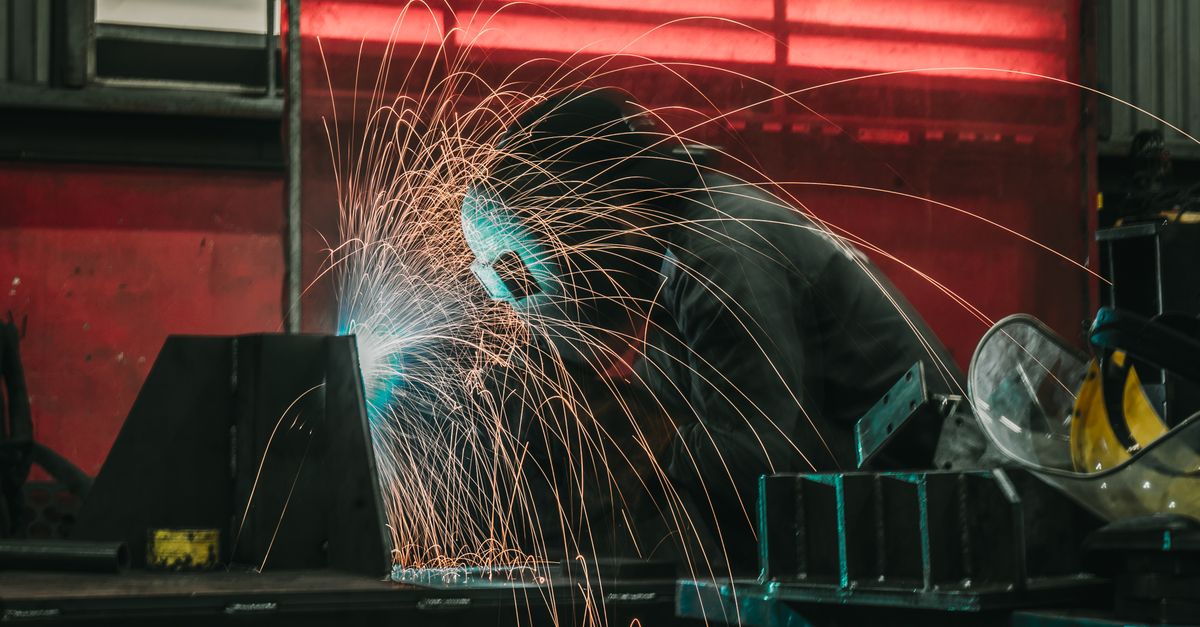
Exploring Different Types of Electroplating in Perth
Table Of Contents
Silver Electroplating
This method involves depositing a thin layer of silver onto various substrates, enhancing both the appearance and functionality of the material. Silver electroplating provides excellent conductivity, making it ideal for components in electronics, electrical contacts, and connectors. Beneficial properties such as antimicrobial effects also make silver a popular choice in medical applications, where it can help reduce the risk of infection.
Additionally, industries that focus on jewellery and decorative items utilise silver electroplating for its lustrous finish. The process allows manufacturers to create aesthetically appealing products while keeping costs down, as only a small amount of silver is needed to achieve the desired look. It caters to these sectors by offering flexibility in design along with enhanced durability against wear and tarnish.
Properties and Uses in Various Industries
Silver electroplating is valued for its excellent conductivity and reflectivity, making it an ideal choice for various applications. In the electronics industry, silver-plated components enhance performance by ensuring efficient electrical connections. Additionally, silver's antimicrobial properties find utilisation in medical devices, where sterilisation and hygiene are paramount. The decorative qualities of silver also make it a preferred option for jewellery and ornamental items, providing a lustrous finish that appeals to consumers.
In the automotive sector, silver electroplating is used for various components due to its wear resistance and ability to withstand environmental conditions. The application extends to telecommunications, where silver-plated connectors improve signal quality. Moreover, industries focusing on renewable energy benefit from silver electroplating in solar panels, where the material contributes to improved energy conversion efficiency. Its versatility across these diverse sectors highlights the importance of silver electroplating in advancing technology and enhancing product performance.
Nickel Electroplating
Nickel electroplating is a widely used technique that enhances the surface properties of various metals. This process involves depositing a layer of nickel onto a substrate, providing improved hardness and wear resistance. In addition to its functional benefits, it also creates a smooth finish that can be aesthetically pleasing. Nickel plating is particularly valued in industries such as automotive and aerospace, where durability and performance are paramount.
The corrosion resistance offered by nickel electroplating makes it an ideal choice for components exposed to harsh environments. Items like fasteners, connectors, and other metal parts benefit significantly from this protective layer, ensuring their longevity and reliability in service. Moreover, the versatility of nickel allows it to be employed in both decorative and functional applications, catering to a diverse range of market needs.
Corrosion Resistance and Industrial Applications
Nickel electroplating serves as an effective barrier against corrosion, making it a popular choice across various industrial sectors. The process involves depositing a layer of nickel onto metal substrates, enhancing durability and extending the lifespan of components exposed to harsh environments. In industries such as automotive, aerospace, and marine, this protective coating helps prevent rust and deterioration, ensuring that critical parts maintain their performance and safety standards.
In addition to corrosion resistance, nickel electroplating improves the wear resistance of components. This characteristic is particularly beneficial for mechanical parts that undergo significant friction and stress during operation. By utilising this technique, manufacturers can produce more robust and reliable products while reducing the need for frequent replacements or maintenance. The versatility of nickel plating enables its application in numerous devices and machinery, proving essential for sustaining operational efficiency in demanding applications.
Chrome Electroplating
This electroplating technique involves depositing a thin layer of chromium onto various substrates. The process results in a surface that not only enhances visual appeal but also improves durability. Chrome plating provides a reflective finish that is highly sought after in automotive and decorative applications. In addition, it plays a crucial role in reducing wear and tear on components subjected to friction.
The protective qualities of chrome electroplating extend the lifespan of products, making it particularly valuable in harsh environments. Industries such as automotive, aerospace, and machinery benefit significantly from this treatment. Components exposed to extreme conditions are less likely to corrode when treated with chrome, leading to more reliable performance over time.
Aesthetic Appeal and Protective Qualities
Chrome electroplating serves both practical and aesthetic purposes, making it a popular choice in numerous applications. The shiny, reflective surface of chrome enhances the visual appeal of products, adding a sleek and modern look. This characteristic is often desired in automotive parts, home fixtures, and decorative items, where appearance can significantly influence consumer choice.
Beyond its aesthetic appeal, chrome plating provides a robust layer of protection against corrosion and wear. By creating a barrier that shields the substrate underneath, it extends the lifespan of components exposed to harsh environments. This protective quality is particularly beneficial in automotive and industrial applications, where resistance to scratches and oxidation can greatly enhance durability and performance.
FAQS
What is electroplating?
Electroplating is a process that uses electrical current to deposit a layer of metal onto a substrate, often to enhance its appearance, protect it from corrosion, or improve its surface properties.
What are the benefits of silver electroplating?
Silver electroplating offers excellent electrical conductivity, thermal conductivity, and a bright, shiny finish, making it ideal for use in electronics, jewellery, and decorative applications.
How does nickel electroplating improve corrosion resistance?
Nickel electroplating provides a durable, protective layer that enhances corrosion resistance by acting as a barrier against moisture and other corrosive elements, making it suitable for various industrial applications, including automotive and marine.
Why is chrome electroplating popular for aesthetic appeal?
Chrome electroplating is highly valued for its shiny, reflective surface, which not only enhances the visual appeal of products but also provides a hard, protective layer that resists tarnishing and wear.
Are there any environmental concerns associated with electroplating?
Yes, electroplating can involve hazardous chemicals that may pose environmental risks if not handled properly. It is important for facilities to implement waste management practices and adhere to regulations to minimise their environmental impact.
Related Links
Understanding the Importance of Deburring TechniquesBest Practices for Chemical Finishing in Metalwork
The Impact of Surface Roughness on Metal Performance
Strategies for Rust Prevention in Fabricated Metals
Optimising Polishing Processes for Enhanced Finish
Techniques for Achieving High-Quality Anodising
Surface Treatment Innovations for Perth Fabricators
The Role of Powder Coating in Metal Finishing
Advanced Coating Methods in Metal Fabrication